
Should I be worried about skin cancer?
Yes as skin cancer, like a number of other types of cancer are unfortunately rising in terms of occurrence with more people being diagnosed. Around 156 000 cases of non-melanoma cancer cases are reported each year in the UK in addition to over 17 000 cases of the more dangerous Melanoma skin cancer.
What are the types of skin cancer?
The main types of skin cancer are:
- Basal Cell Carcinoma
- Squamous cell carcinoma
- Melanoma
What causes skin cancer?
The main cause of all skin cancers is sun damage from sun exposure and /or use of sunbeds. Individuals with pale skin who burn easily as well as people who spend a lot of time outdoor or have family history of skin cancer are more at risk.
What should I look out for?
Basal cell carcinoma [BCC] is the commonest form of non melanoma cancer and is commonly found on sun exposed body areas like face, scalp, ears and limbs. These used to typically affect people over the 60 years of age but are now seen even in younger individuals. They can present as scabs that bleed or like raised lumps that have slowly grown and can have a central ulcer or crater. They do not tend to cause pain or much itching.
Squamous cell carcinoma [SCC] is another form of non-melanoma skin cancer. Like BCCs these are commonly found on sun exposed areas but can also be found in areas of chronic inflammation or scars. This type of cancer can look like a rough scaly patch of skin, or an area of skin that is not healing. Squamous cell carcinomas can bleed or be sore but not always.
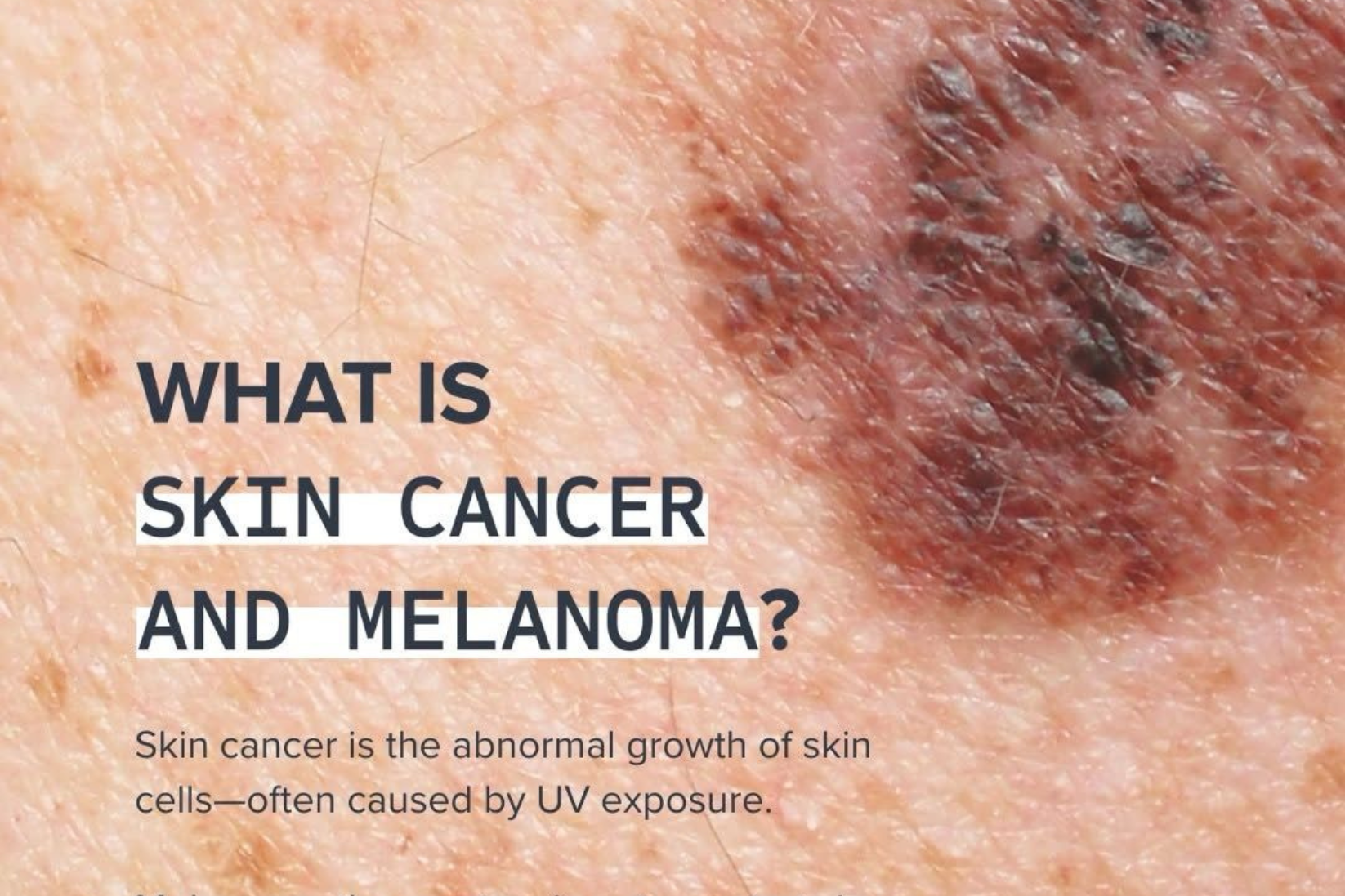
Melanoma, is the most serious form of skin cancer out of the 3 as unfortunately can spread to other parts of the body and that is why there were 2 500 deaths in the UK over 2021-2023.
Melanomas can be found anywhere on the body but again most commonly seen in sun exposed body areas. They look like “moles” and concerning symptoms are changes in size, shape, colour of a mole as well as any pain, itching or bleeding.
Can skin cancer be treated?
Yes! Depending on the type of skin cancer different treatments might be applied, surgery being the mainstay treatment with radiotherapy, immunotherapy, cryotherapy and even creams being an option at times.
What to remember?
In summary, skin cancer is very common and therefore if you have any concerns about any skin lesions that are not healing, growing, bleed, itch, hurt or just don’t’ look right just have them checked.
See you in clinic, Dr Harry